
Kinda
Isn't this just Arthur C. Clarke's "Childhood's End" for boomers?
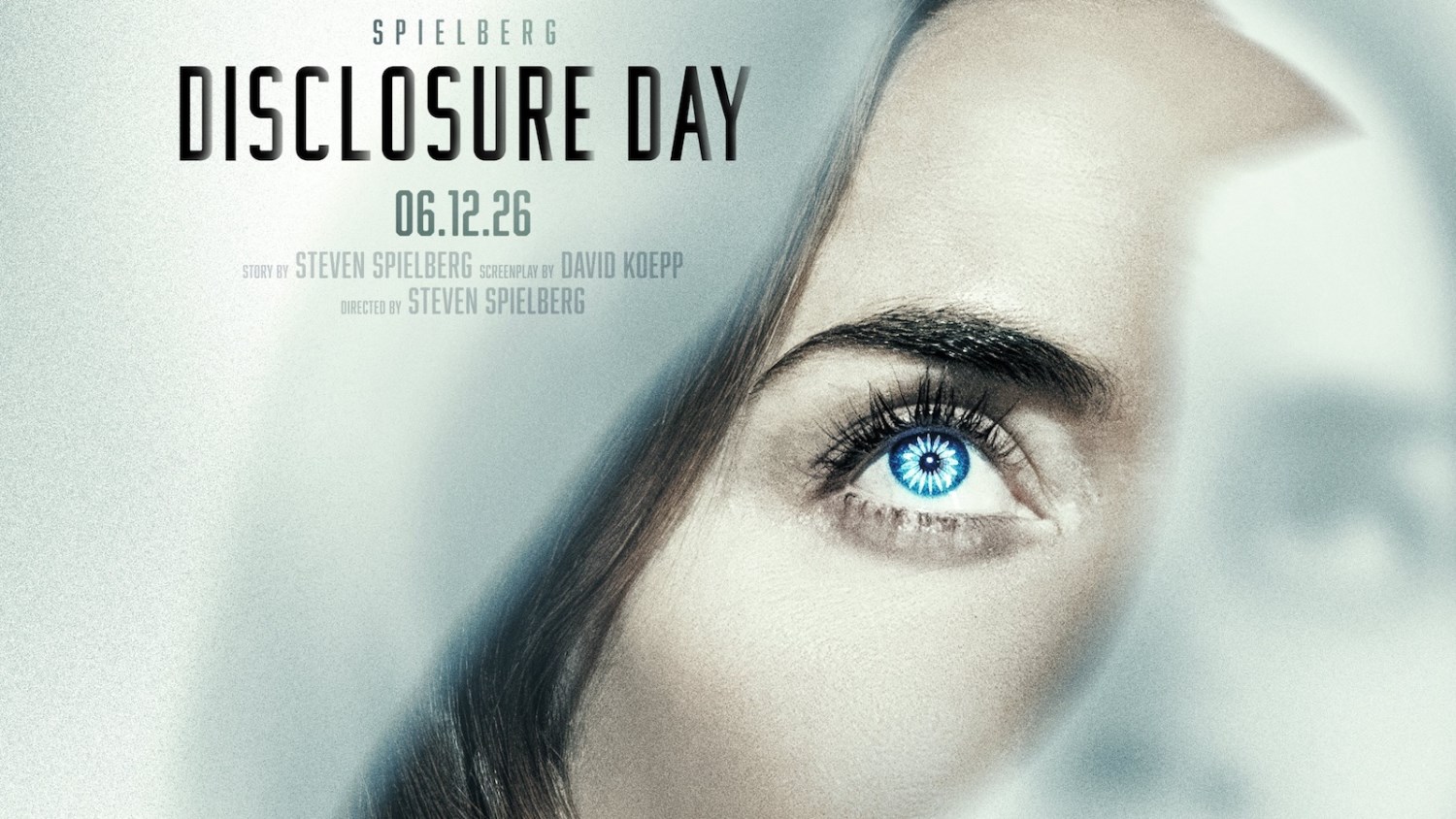
Not quite. While both deal with humanity facing advanced extraterrestrial contact, Arthur C. Clarke's Childhood's End features an authoritarian alien "Overlord" stewardship that ends humanity's independence. Conversely, Steven Spielberg's Disclosure Day frames the revelation as a grassroots whistleblowing event that forces a divided humanity to stop fighting and practice empathy.The film treats the concept of contact deeply rooted in wonder and human free will, as seen in these thematic differences:Agency vs. Paternalism: In Childhood's End, aliens actively govern and guide humanity's development to its ultimate conclusion. In Disclosure Day, the aliens remain enigmatic, giving Daniel and Margaret the tools and knowledge to force global transparency, leaving the actual reaction up to human free will.The Nature of Evolution: Clarke’s novel is about the physical and transcendental mutation of human children into a single hive-mind entity. Disclosure Day is a grounded, contemporary political thriller focusing on hard drives, cybersecurity whistleblowers, and the psychological weight of accepting the truth.The Core Message: Clarke's ending is melancholic and final, whereas Spielberg's film emphasizes the necessity of connection and actively listening to one another.

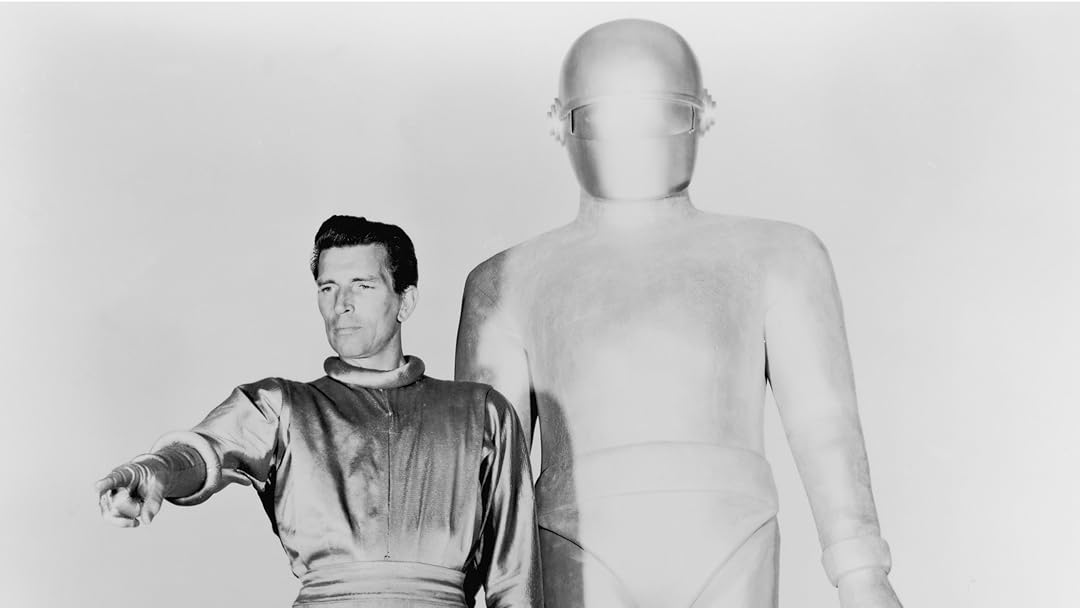
To me the outcome is the same, the aliens aren't here to give us some noble wisdom.
Like other shows such as Earth Final Conflict, humans are just a tool to be exploited.
The whole idea of empathy is laughable as if its some sort of new concept.
Even if humans stumbled upon something that gives them everything they need and they no longer have to compete for limited resources, they would still fall prey to their own genetic urges with predictable outsomes.